How to Reduce Dust & Smoke in Industrial Units Using Air Handling Systems

Industrial sectors often face challenges in dealing with air pollution caused by mechanisms working inside the factories. This makes worker health and also operational efficiency secondary. Working in such conditions calls for adoption of effective air management techniques to safeguard the health and safety of workers. There are advanced treatments available from such companies as Garant Filter Pvt. Ltd. whose presence in the market is well felt.
The improvement of indoor air quality is not only for regulatory gains, but it also affects efficiency and machines' roll life. The dangerous pollutants can be minimized in a large way with today’s industrial air handling units (AHU) India. Some of the most reputable companies such as Garant Filter Pvt. Ltd. provide reliable solutions to a wide range of industries depending on their specific needs.
Understanding Dust & Smoke in Industrial Units
There are no dust and smoke formation industries such as manufacturing, construction, or chemical industries without such processes being present. Dust and smoke can be produced in large amounts that can cause impaired vision, make breathing difficult, or wreak havoc on equipment. In the absence of sufficient air circulation, these contaminants move – or more appropriately, stay – in the air, endangering workers’ health.
In addition to air contamination reducing ventilation, it also compromises the proper functioning of airflow by blocking ventilation systems and increasing the cost of cleaning. And this is when the modern effective filtration and ventilation systems are highly needed.
What Are Air Handling Systems?
Air handling systems are engineered solutions designed to supply and improve indoor air quality. They perform their functions by cleaning, circulation, and modification of air within industrial premises. Modern systems have a high level of efficiency as they use fine-particle filters to remove unwanted particles and toxic gases.
Key Functions of Air Handling Systems
Remove fine particles, gases, pollutants in the air
Control the level of warm, cool or moisture air
Increase the movement of air
Adhere to the regulations regarding environmental protection
These are more than just important in industries that make use of air enclosed systems.
Benefits of Using Air Handling Systems
There are various reasons to include air handling solutions in the design of industrial buildings; it is not limited to purification of air only.
Improved Worker Health & Safety
The cleaner the air in the workplace, the less likely are employees to suffer respiratory illnesses. Employees’ health is catered during their employment and beyond.
Enhanced Equipment Performance
Too much dust can cause the equipment to choke or even overheat, cutting short the life of the equipment and causing delays.
Regulatory Compliance
Industries are required by the law to adhere to certain measures pertaining to pollution control. Air handling when various loss systems and other things lead to ensuring the above.
Summary: Air conveying systems enhance safety, productivity and better adherence to industry standards. Therefore, they are a must-have for contemporary industries.
Types of Industrial Air Handling Units
Various industries operate in different environments and consequently, they will need appropriate system types.
There are the following Basic Types:
Centralized AHU systems for large facilities
Modular units for flexible installations
High-efficiency particulate air (HEPA) systems
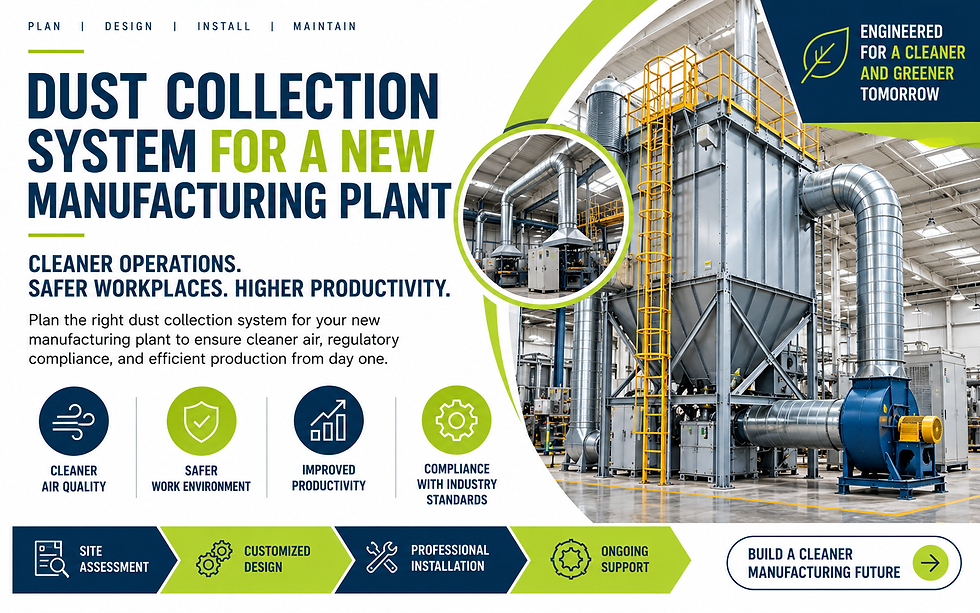
Dust collection and smoke extraction units
Such AHU systems are very common in India; these units are suitable for any levels of contamination.
Best Practices to Reduce Dust & Smoke
The following recommendations are essential for ensuring the efficacy of the integrated air-handling systems in any industry sector:
Install high-quality filtration systems
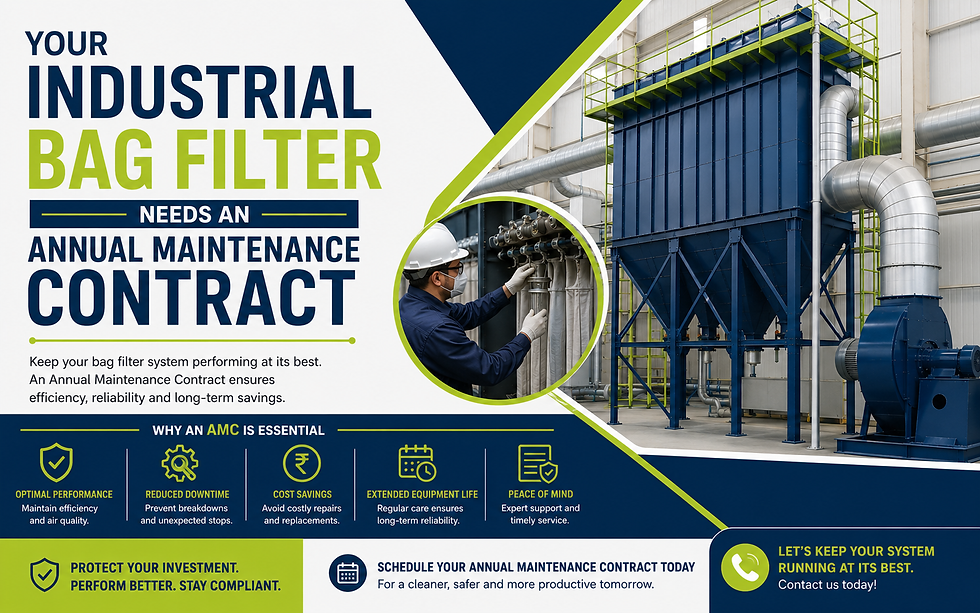
Conduct regular maintenance and filter replacement
Optimize airflow design within the facility
Use localized exhaust systems for heavy smoke areas
Regular maintenance as well as a proper functioning architecture guarantees maximum productivity and clean environment over the years.
Choosing the Right Air Handling System
When it comes to finding the appropriate air handling system, it becomes crucial to identify the kind of industry, the pollution level, and the size of the facilities in question. In some cases, an expert’s opinion is needed to ensure that the most suitable configuration is chosen out of the many available options.
There are dependable suppliers who provide air handling solutions to suit both their business objectives and the applicable environmental specifications.
Conclusion
Preventive measures are needed to maintain clean and safe air in an industry for an effective and legal workspace. Industries could tremendously enhance the quality of air and increase productivity by investing in sophisticated air handling systems. Health for employees and proper functioning of machinery are some of the undeniable implications.
Envision partnering with professionals in clean air expertise to upgrade the standards of your setup with innovative filtration technologies that the current market has to offer. Start now and create a clean environment with a suitable air handling system.
Comments